
Plan Together in Real Time: Seamless Group Sightseeing Itineraries

Today we dive into real-time collaborative editors for group sightseeing itineraries, showing how live co-authoring, shared context, and smart coordination turn scattered ideas into an aligned plan. Expect practical strategies, travel-tested patterns, and inspiring moments when a single tap moves a whole group forward without confusion, delays, or second-guessing.

Shared Decisions Without Friction

When everyone can contribute simultaneously, decisions feel lighter, progress accelerates, and ownership becomes collective. The best collaboration experiences blend immediate feedback, gentle guidance, and clear visibility so groups avoid bottlenecks, reduce misunderstandings, and maintain momentum from the first brainstorm to the last museum exit.

Keeping Everyone in Sync When Networks Flake

Conflict Resolution That Feels Invisible

When two friends adjust the same afternoon slot, nobody should lose work. Proven algorithms, like OT or CRDT-inspired approaches, harmonize simultaneous edits so order changes, notes, and labels merge predictably. The result is continuity—no overwrites, no surprises, just a calm, shared itinerary.

Offline First Itinerary Tweaks

Great design anticipates dead zones. Let travelers reorder stops, add photos, or jot reminders offline. Once connected, sync reconciles everything deterministically, preserving intent. People can keep planning on airplanes or in quiet courtyards, trusting that their thoughtful adjustments will appear exactly when needed.

Latency-Tolerant Map Interactions

Dragging pins across a city map should feel responsive even on patchy networks. Client-side prediction, optimistic updates, and eventual confirmation keep interactions fluid. Users experience immediacy, while the system ensures consistency, so a new viewpoint or café remains precisely placed when signals recover.

Time, Distance, and Energy: Balancing the Day

Smart Timeboxes and Buffers

Simple blocks often ignore how long museums, queues, and meals actually take. Introduce adaptive durations informed by past visits or configurable defaults. Add buffers around transfers and peak times, helping groups arrive relaxed rather than rushed, with room to breathe between unmissable highlights.

Walkability and Transit Aware Routing

Optimizations that only minimize distance miss context. Consider slopes, transit frequency, and real congestion data. A plan that respects stroller wheels, joint comfort, and tram headways lowers friction dramatically, letting groups move smoothly while savoring streetscapes instead of chasing unrealistic schedules.

Accessibility and Pace Preferences

Every traveler moves differently. Provide per-person pace settings, elevator preferences, step-free filters, and quiet-space recommendations. When the itinerary adapts to individuals, the group benefits collectively—less strain, fewer surprises, and more inclusive joy woven into each thoughtfully chosen stop.

Designing Trust: Roles, Permissions, and Accountability

Roles That Empower Without Blocking

Organizers might lock critical reservations while allowing friends to suggest snacks, street art, or scenic detours. Editors refine details, commenters raise questions, and viewers follow along. Roles make boundaries clear, allowing initiative to flourish without risking the reservations that anchor the day.

Transparent History and Undo That Builds Confidence

A rich history removes fear. See who changed the morning lineup, what was added, and when. Restore previous versions or cherry-pick a single block to undo. Confidence grows when experiments feel safe and mistakes are recoverable in a click, not a catastrophe.

Approvals for Bookings and Costs

Some choices carry financial weight. Lightweight approvals ensure a majority agrees before purchasing city passes, show tickets, or ferry seats. Capture rationale in-context, link receipts later, and keep everyone aligned on budget boundaries without moving planning conversations into chaotic side channels.

Field Collaboration on the Go
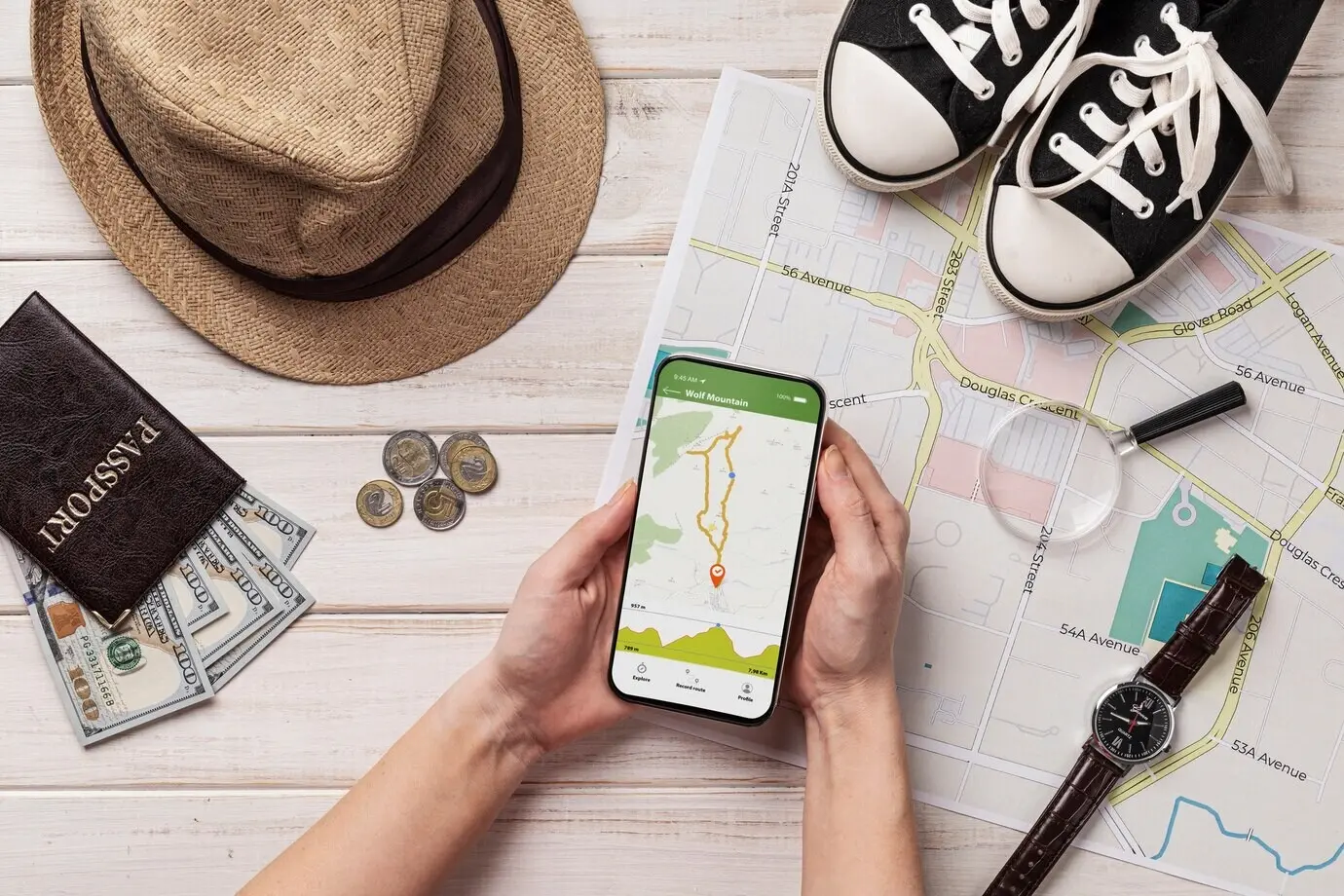
Great planning continues outside the hotel lobby. Mobile experiences should prioritize context, quick edits, and respectful notifications. With clear check-ins, photo drops, and simple rescheduling, momentum survives weather shifts, sudden cravings, or a delightfully unexpected street performance inviting a longer pause.
Ping with purpose. Notify when a meeting point changes, a time-sensitive ticket opens, or a consensus poll ends. Mute non-urgent chatter during transit. Smart summaries keep everyone informed without overload, turning alerts into genuine helpers rather than distracting background buzz.
Optional, time-limited location sharing helps latecomers catch up and organizers keep the group cohesive. Provide precise control—share neighborhood-level only, set auto-expiry, or share during specific windows. Safety and consent drive adoption, creating reassurance without compromising personal comfort or privacy expectations.

Tickets, Bookings, and Passes in One Place

Forward confirmation emails or link accounts to automatically surface QR codes, seat assignments, and gate changes. Attach them directly to stops so the right document appears when needed, ending frantic inbox searches at turnstiles or theater doors under last-minute time pressure.

Calendar Sync for Everyone’s Reality

Not every traveler has the same commitments. Two‑way calendar sync respects work calls, childcare pickups, and evening plans. The itinerary proposes alternatives when conflicts arise, ensuring the group’s path harmonizes with individual lives rather than pretending competing obligations don’t exist.

Privacy, Safety, and Peace of Mind

Travel should feel secure. Clear consent, minimal data retention, and transparent controls turn powerful collaboration into a reassuring companion. People share when they understand what’s collected, why it matters, and how to withdraw access gracefully without breaking the group’s ability to coordinate.

A Family Dodges a Sudden Downpour

When clouds rolled in, a live poll surfaced two nearby indoor options. Within minutes, the plan shifted, tickets were shared, and umbrellas stayed packed. The children remember the dinosaur skeletons, not the weather. Flexibility transformed an obstacle into a highlight worth retelling.

Accessibility Wins for a Class Trip

A teacher enabled step-free filters and pace preferences, revealing an elevator entrance and a quieter café. Students felt included, chaperones stayed relaxed, and the route unfolded smoothly. Thoughtful defaults and visible choices turned inclusivity into the unnoticed backbone of a joyful day.

Friends Rebalance Energy Midday

After a long morning, half the group wanted rest. A split view suggested parallel tracks—park lounging and gallery browsing—reconvening for sunset. Check-ins kept everyone coordinated, and photos bridged the gap. Autonomy and togetherness coexisted, proving coordination can support different needs gracefully.
Kizarinapexikaza
Privacy Overview

This website uses cookies so that we can provide you with the best user experience possible. Cookie information is stored in your browser and performs functions such as recognising you when you return to our website and helping our team to understand which sections of the website you find most interesting and useful.